
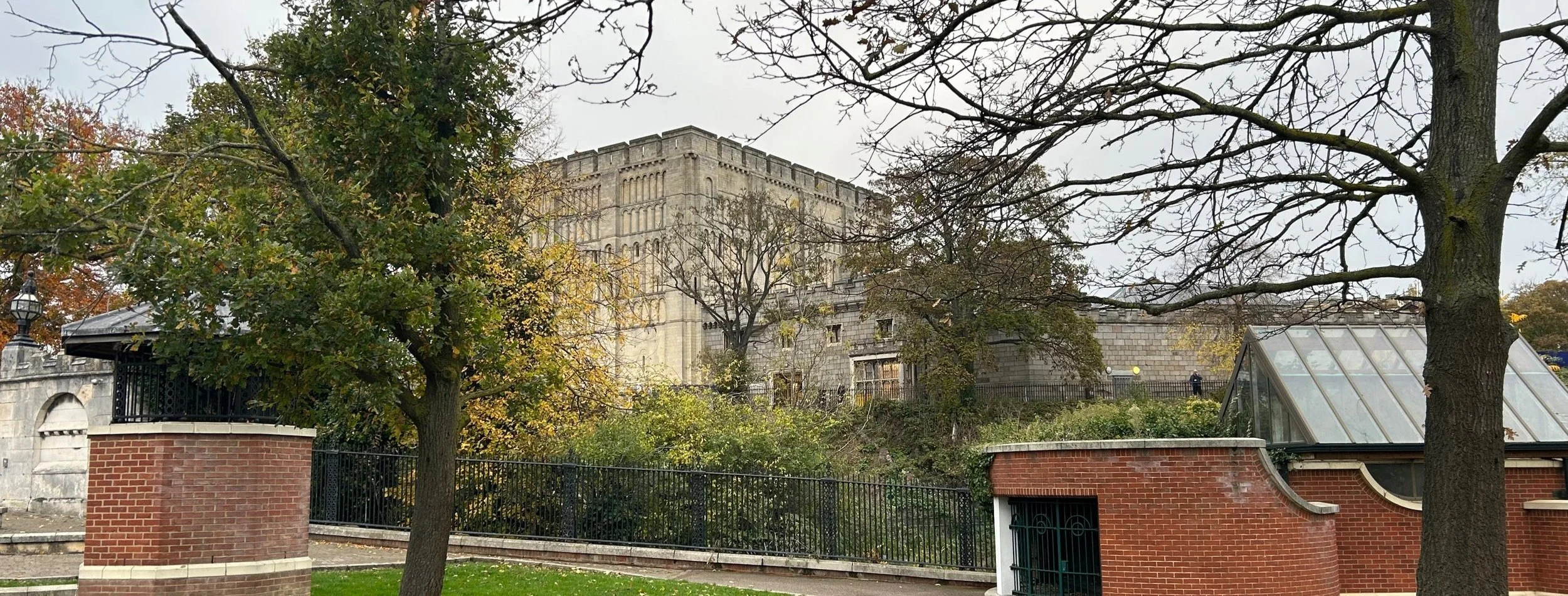
Museums & Galleries
AV Systems for Museums & Galleries
The right AV system can do far more than add screens to a space.
For museums and galleries, it can help bring collections to life, improve interpretation, support education, create more engaging visitor journeys and open up new ways to communicate with different audiences. Used well, technology should not distract from the setting. It should help visitors understand more, experience more and connect more deeply with what they are seeing.
We provide AV installation for museums and galleries including information screens and displays, projection, building mapping, weatherproof external LED, animation, digital signage, interactive touch devices, sound reinforcement, lecture theatre systems and education suite technology.
Whether the aim is to improve visitor experience, support learning, modernise interpretation or create more flexible public spaces, we can help you plan systems that are practical, reliable and appropriate to the environment.
Museum and Gallery AV Services We Offer
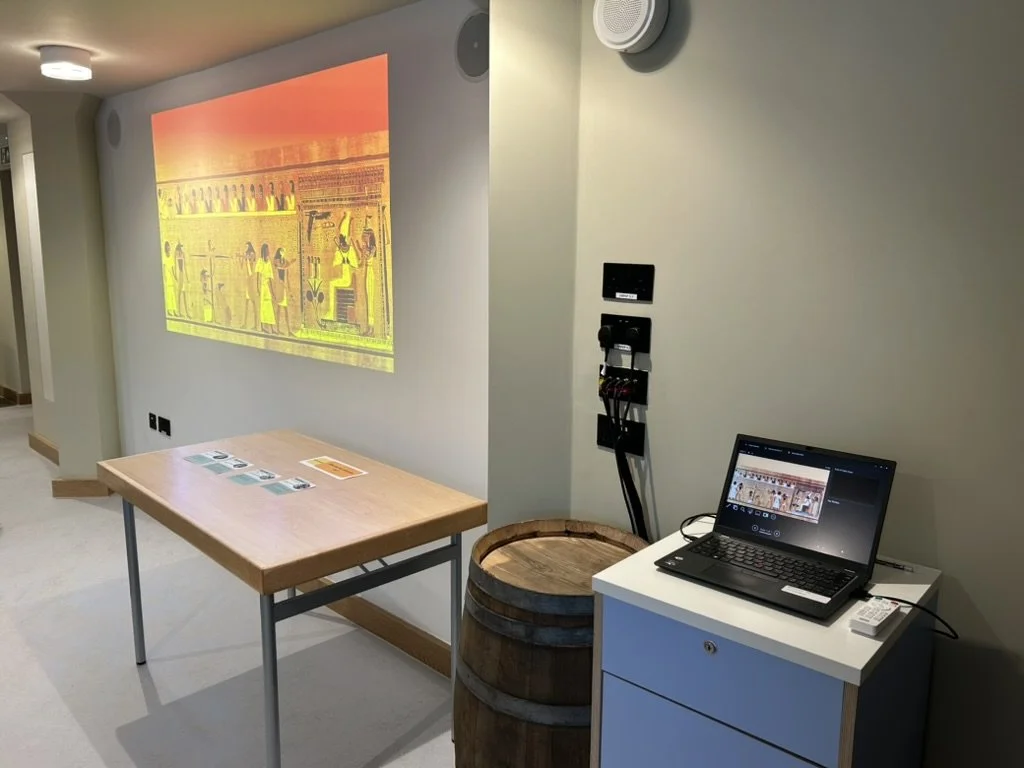
Information Screens and Display Systems
Clear, well-placed display systems can help museums and galleries communicate more effectively with visitors. From exhibition interpretation and wayfinding to announcements, schedules and supporting media, digital displays can make spaces easier to understand and more engaging to explore.
Improve interpretation, orientation and visitor communication
Support temporary exhibitions, permanent collections and public information
Keep messaging flexible without relying on static printed materials
Weatherproof External LED Displays
External displays can help museums and galleries make better use of entrances, courtyards and public-facing spaces. They are useful for promoting exhibitions, events and visitor information, while also helping institutions create a stronger public presence.
Promote events, exhibitions and public information more visibly
Help external spaces work harder for visitor engagement
Weatherproof display options suited to public-facing environments
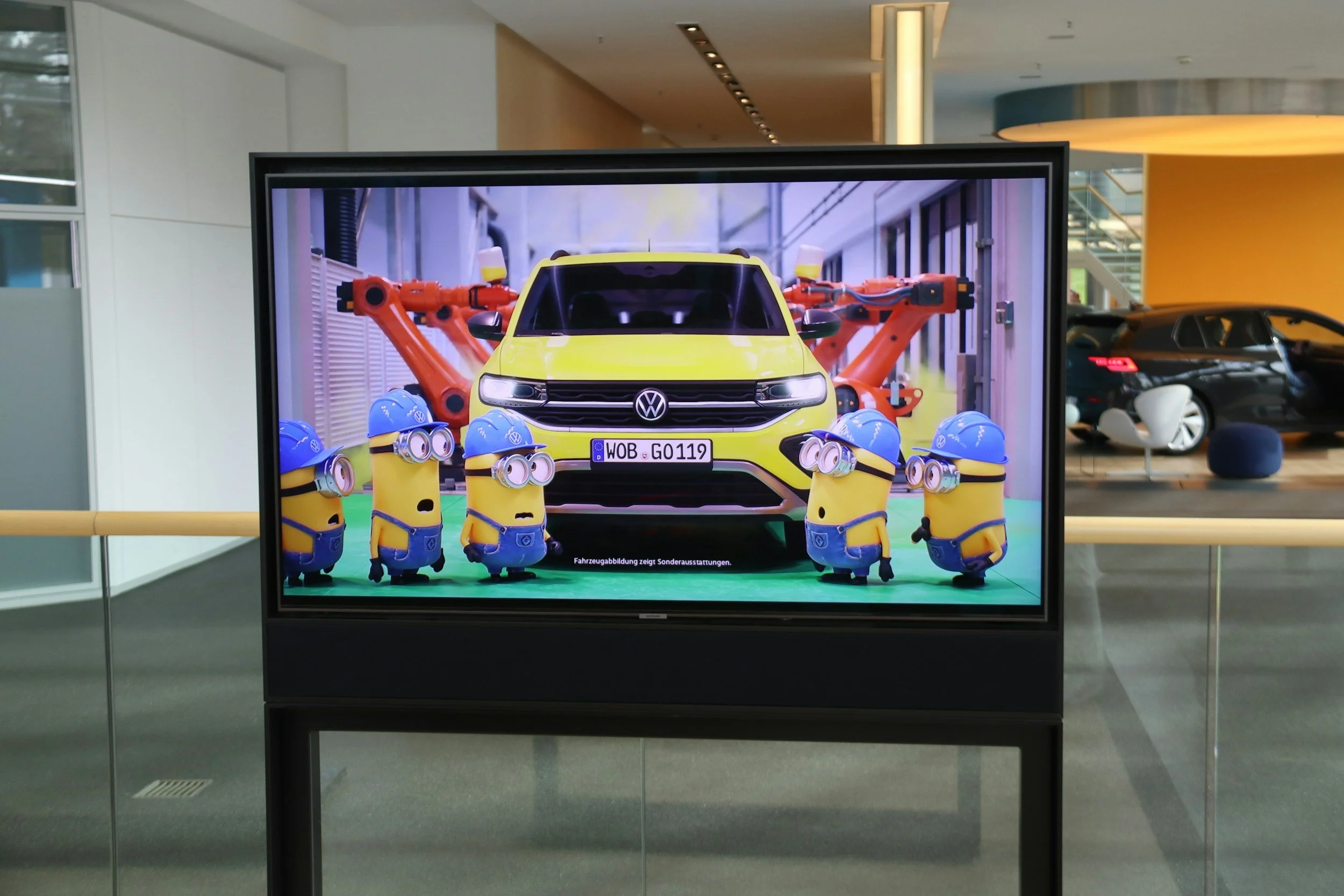
Animation and Digital Signage
Animation and digital signage can make information more dynamic and easier to absorb. They are especially useful where museums and galleries want to explain themes, guide visitors through spaces, highlight events or create more contemporary communication points.
Present information in a more engaging and flexible format
Support exhibition storytelling, notices and promotional messaging
Improve the visual impact of visitor communications

Interactivity and Touch Devices
Interactive technology can help visitors explore collections in more depth and at their own pace. Touch devices and interactive displays are particularly valuable in education spaces, family engagement, interpretation points and exhibitions where audiences benefit from being able to choose how they access content.
Encourage deeper visitor engagement and self-directed exploration
Support family learning, school visits and interpretive content
Add flexibility to how stories, archives and collections are presented

Sound Reinforcement
Sound plays an important role in lectures, interpretation, events and immersive exhibition design. A well-planned system can improve clarity in public spaces, support presentations and help create stronger visitor experiences without overwhelming the environment.
Improve speech clarity for talks, events and educational activity
Support exhibition audio, interpretation and public programming
Deliver better control across lecture, gallery and multi-use spaces
Education Systems and Learning Spaces
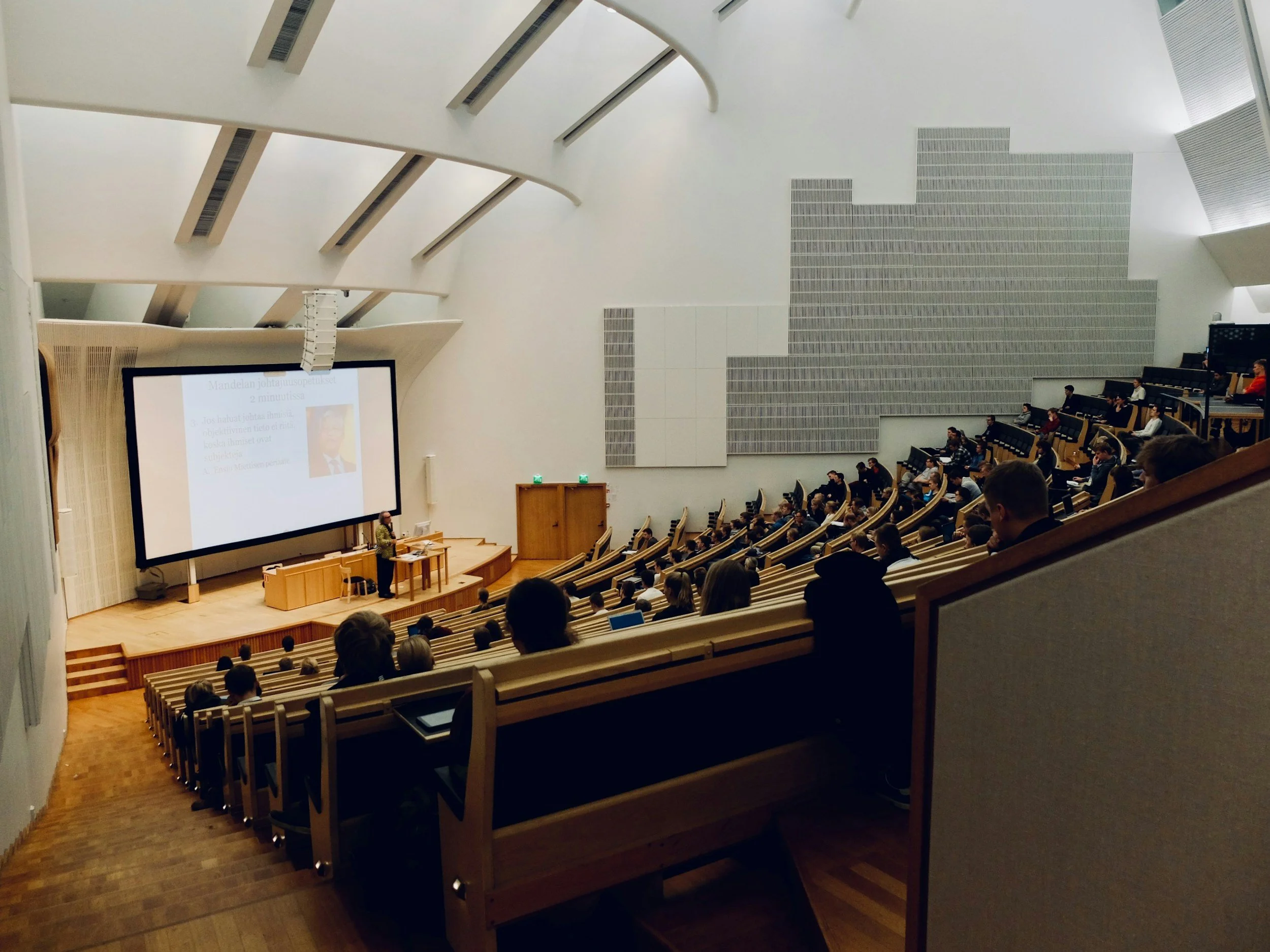
Education suites need AV that is reliable, clear and easy for staff and visiting groups to use. From projection and presentation tools to sound and interactive technology, the right setup can make learning sessions more engaging and easier to deliver.
Support school visits, workshops and educational programming
Make learning spaces more flexible and easier to manage
Improve presentation quality for staff, tutors and facilitators
Lecture Theatres and Event Spaces
Many museums and galleries now support lectures, talks, screenings, web broadcasts and public events. A good AV system helps these spaces run more smoothly and more professionally, with better sound, presentation control, accessibility and streaming capability.
Support talks, screenings, panel events and web broadcasts
Improve usability for staff, speakers and visiting organisations
Make the venue more flexible for public and professional events
Norwich Castle Lecture Theatre
norwich, norfolk
Case Studies
Norwich Castle Lecture Theatre
Tagline: A lecture theatre built for schools, talks and live web broadcast events
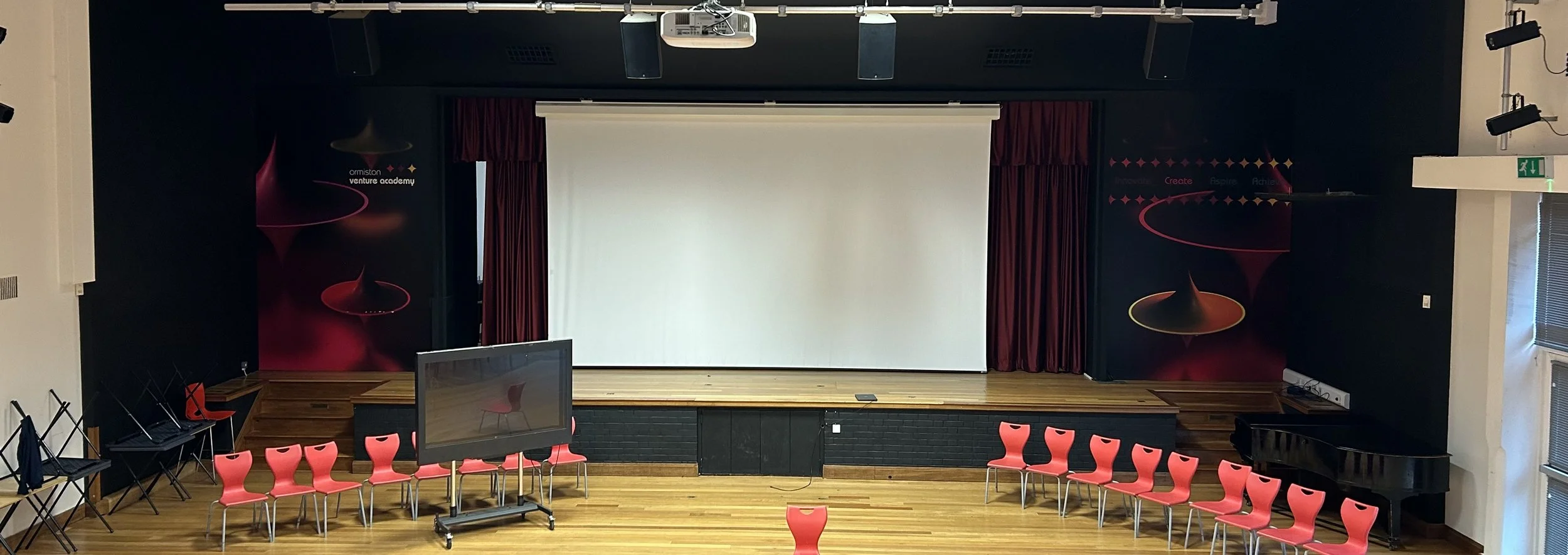
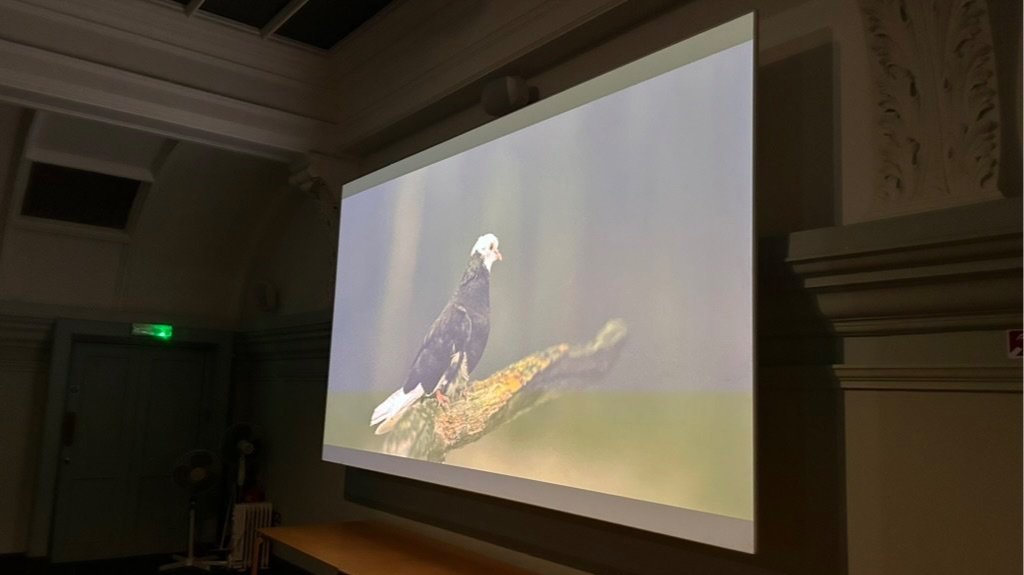
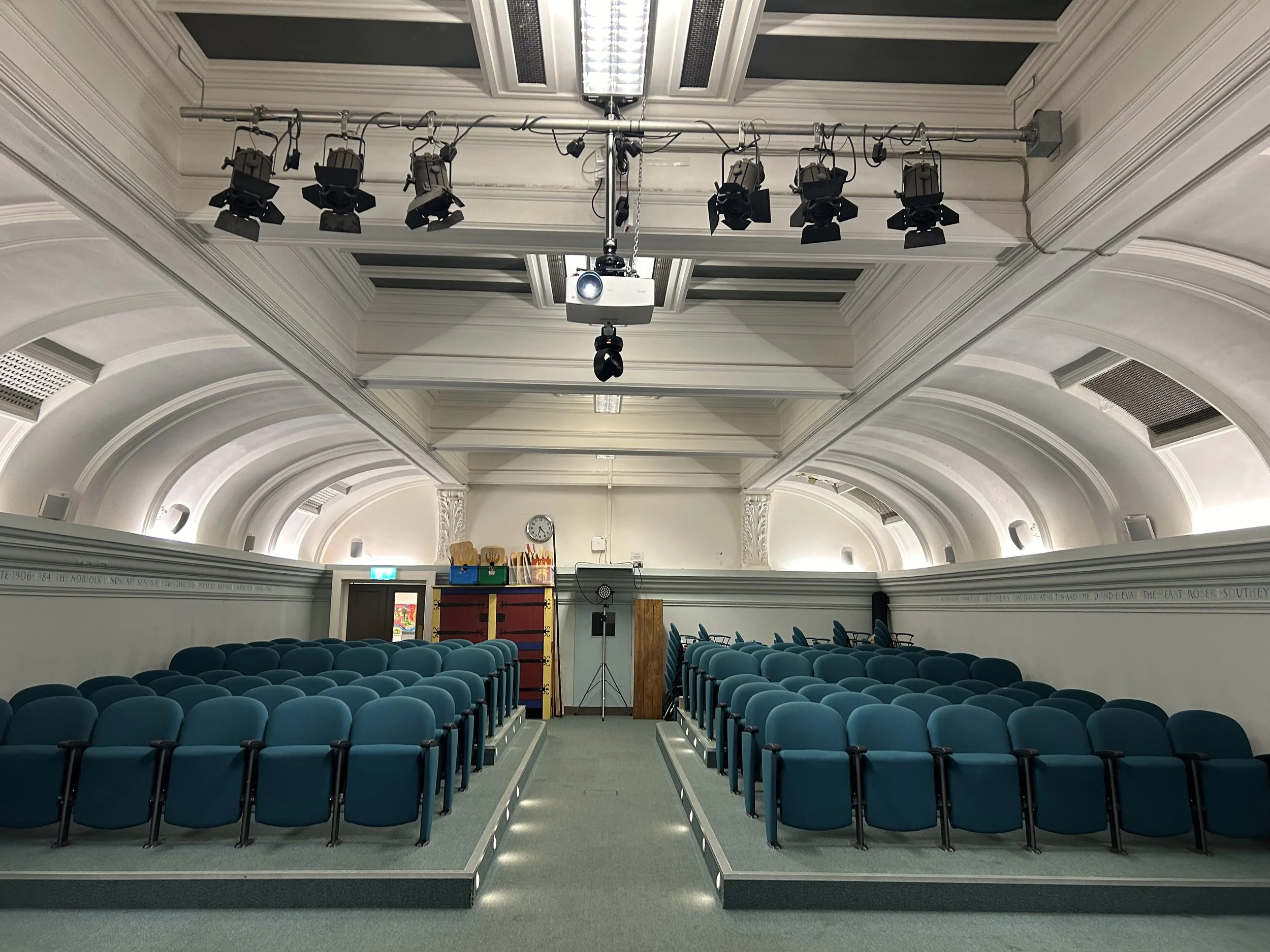
The Lecture Theatre at Norwich Castle is a busy public venue used for school sessions, lectures and web broadcast events, all supported by a well-equipped audio visual system. The setup includes a fully automatic webcam system, an event control podium with touchscreen and PC, system mixer, multiple radio microphones and a hearing loop. Together, these elements create a flexible event environment that can support a wide range of educational, cultural and public-facing uses while remaining practical for day-to-day operation.
Education Suite, Norwich Castle
Flexible education AV supporting a major heritage redevelopment project
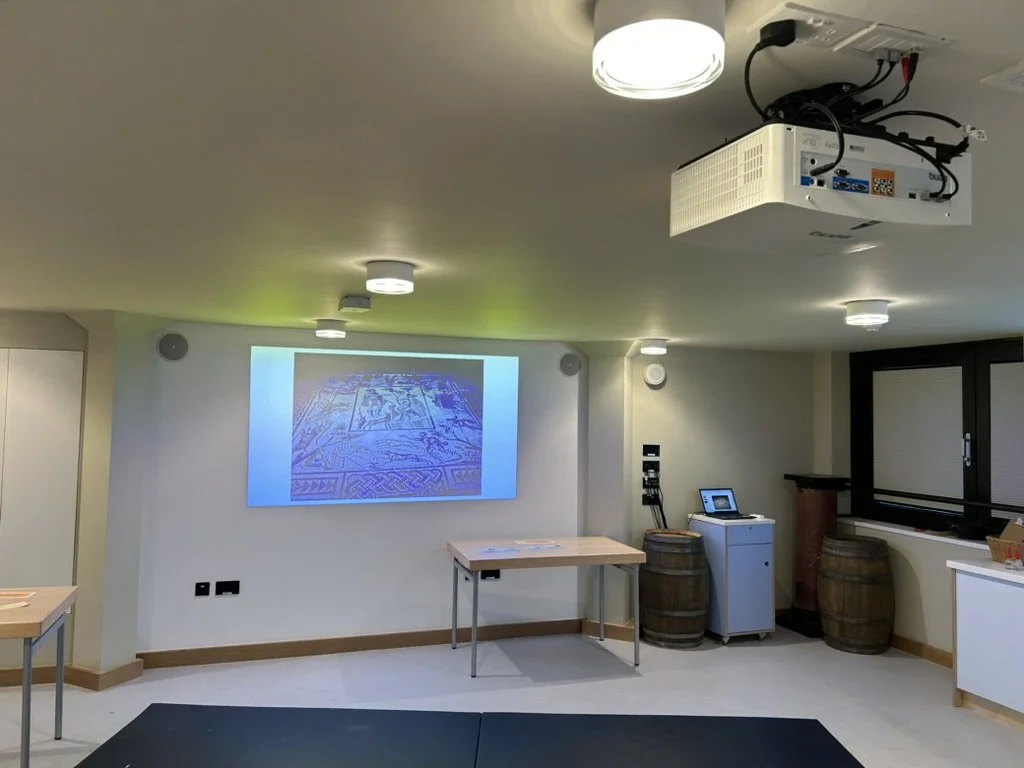
Created as part of the Norwich Castle: Royal Palace Reborn project, the Education Suite at Norwich Castle was designed to support learning, presentation and interpretation in a more flexible way. The system includes a ceiling-mounted laser projector and multiple presentation options, helping staff and educators deliver content clearly and adapt the space for different audiences and activities. It is a strong example of how thoughtful AV can support heritage learning without overcomplicating the room.
Visitor Triggered Audio and Vision
Interactive interpretation that responds to visitor presence
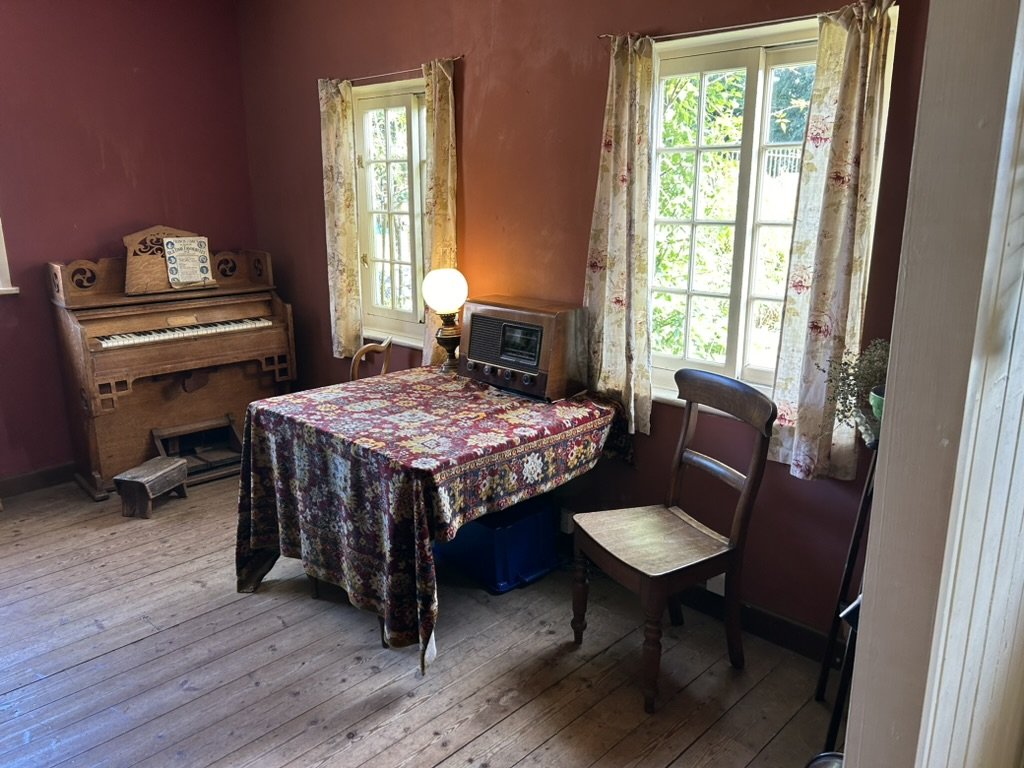
Visitor-triggered audio and visual systems can help museums and galleries create more immersive, responsive experiences without requiring constant staff intervention. These systems allow content to activate when visitors approach or interact, helping exhibitions feel more alive, more intuitive and more memorable. Used well, they can support interpretation, storytelling and accessibility while also making gallery spaces feel more dynamic and engaging.